Company About Company Profile Factories Agriculture Certifications Global Presence
Products All Products Tomato Juices Tahini & Halawa Jams Packaging HerbsVinegar
Corporate Industries R&D Careers Health & Nutrition Sustainability
Distributors Contact
UKA Foods Agricultural Operations
Agriculture & Sourcing

Where quality begins — in the soil.

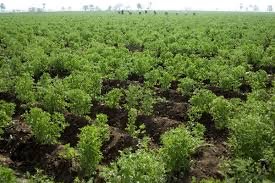
Long before a product reaches a factory line, the story of its quality has already begun — in carefully prepared soil, under precisely managed irrigation, through seasons of patient cultivation. UKA Foods controls the very first link of the supply chain through contracted farming programs, advanced agronomic practices, and seasonal crop planning synchronized with factory capacity and export demand.

Farm to Factory
Contracted growing programs

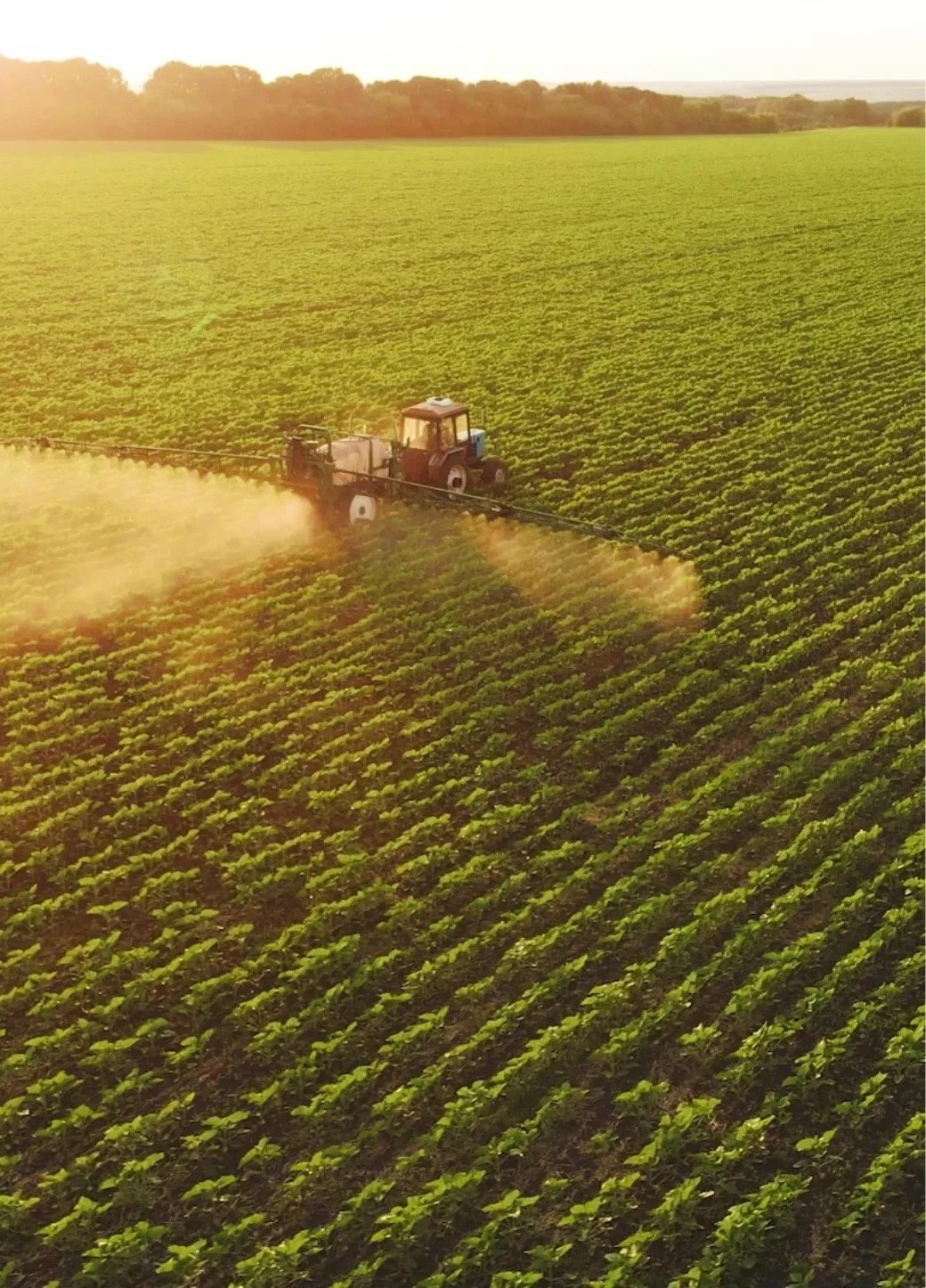
Direct, long-standing relationships with our growers ensure full traceability from seed to intake gate. Our agronomists specify growing conditions, monitor crop health, manage irrigation schedules, and verify pesticide residue levels before any raw material is approved for factory processing.

Seasonal alignment

Nature works on its own schedule — and so do we. Crop windows are precisely synchronized with factory production schedules and export demand forecasts, ensuring that raw materials arrive at peak freshness, minimizing waste, and maximizing the natural flavor and nutritional content of every product.

Farming Operations

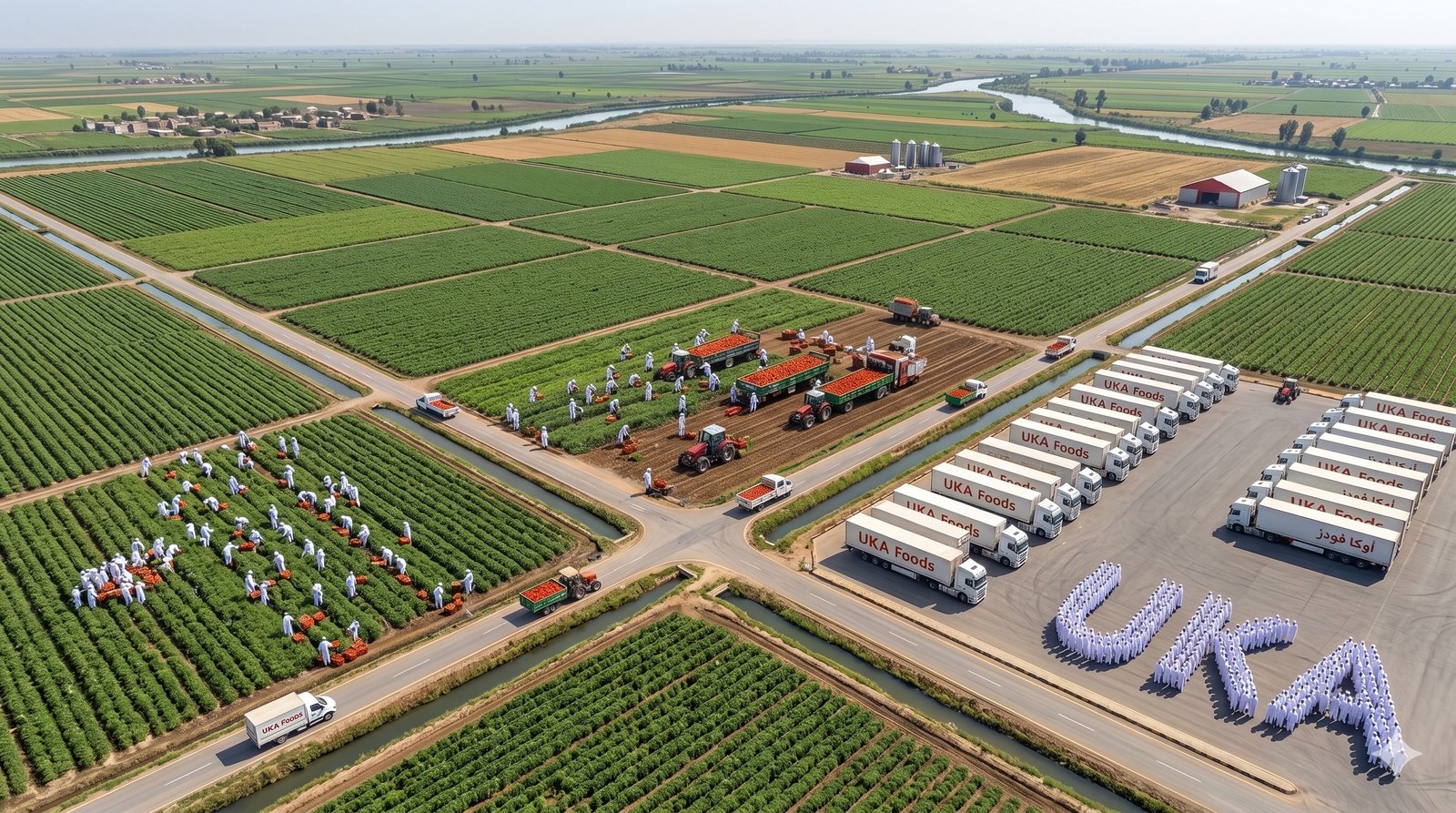
From the field to the factory gate

Our agricultural operations are not just supply arrangements — they are carefully orchestrated programs where science meets nature, and every decision is guided by quality outcomes.

Farming Operations

Contracted Growing

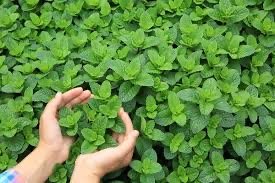
We work with a network of contracted growers across tomato, sesame, fruit, and herbal inputs. Our agronomists don't just buy crops — they partner with farmers from seed selection through cultivation, specifying soil preparation techniques, fertilization schedules, irrigation methods, and optimal harvest timing to ensure every crop meets our exacting standards.

Raw Material Sourcing

Before any raw material crosses the factory threshold, it passes through rigorous source-side evaluation. Brix levels are measured for sugar concentration, color indices are assessed, pesticide residues are tested against international MRL limits, and physical quality is graded. Only materials that meet our specifications proceed to processing.

Supply Planning

Our supply planning team bridges agriculture and manufacturing, synchronizing seasonal crop availability with factory capacity, finished goods inventory targets, and export commitment schedules. This end-to-end visibility ensures uninterrupted production runs and consistent product availability for our global partners.

Quality at Source

Six quality gates before production begins

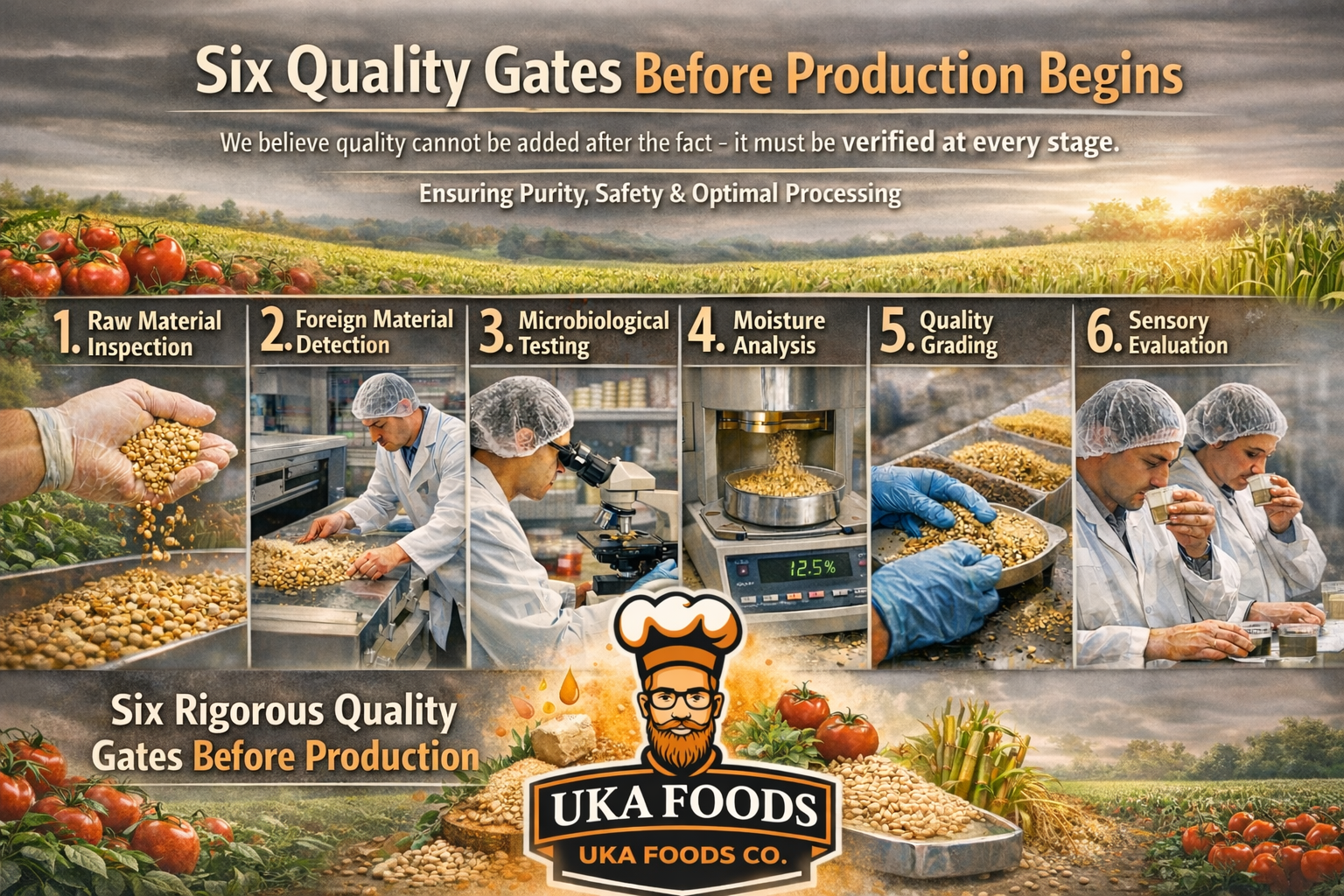
We believe quality cannot be added after the fact — it must be verified at every stage. Before any raw material enters a production line, it passes through six rigorous quality gates designed to ensure purity, safety, and optimal processing characteristics.

Six Quality Gates

Our field agronomists conduct regular on-site inspections throughout the growing season — evaluating soil conditions, reviewing pest management protocols, assessing irrigation efficiency, and monitoring crop health indicators. Harvest approval is only granted when all parameters meet our pre-defined quality benchmarks.

Timing is everything. Our teams test crop maturity at harvest using portable refractometers and visual grading systems — measuring Brix levels for sugar concentration, evaluating color intensity for processing suitability, and assessing structural integrity to ensure optimal yield and product character.

At the factory intake gate, every delivery passes through automated sorting and rejection systems. Optical graders separate by size and ripeness, while foreign matter detection systems screen for physical contaminants. Only materials meeting grade specifications advance to the washing and preparation stage.

Every incoming batch undergoes pesticide residue analysis in our on-site laboratories, tested against international Maximum Residue Limits established by Codex Alimentarius and destination-market regulators. Batches exceeding any threshold are immediately rejected and documented for supplier corrective action.

Our laboratory teams perform comprehensive chemical verification on every batch — measuring pH, titratable acidity, soluble solids, and microbial load. These results are cross-referenced against product-specific specifications to ensure the raw material will deliver the exact taste, texture, and safety profile required.

Every accepted batch receives a unique traceability code that creates an unbroken chain of custody — linking the specific farm, harvest date, field inspection report, intake quality data, and all downstream production records. This enables instant recall capability and complete transparency for certification auditors and import partners.

Seasonal Production

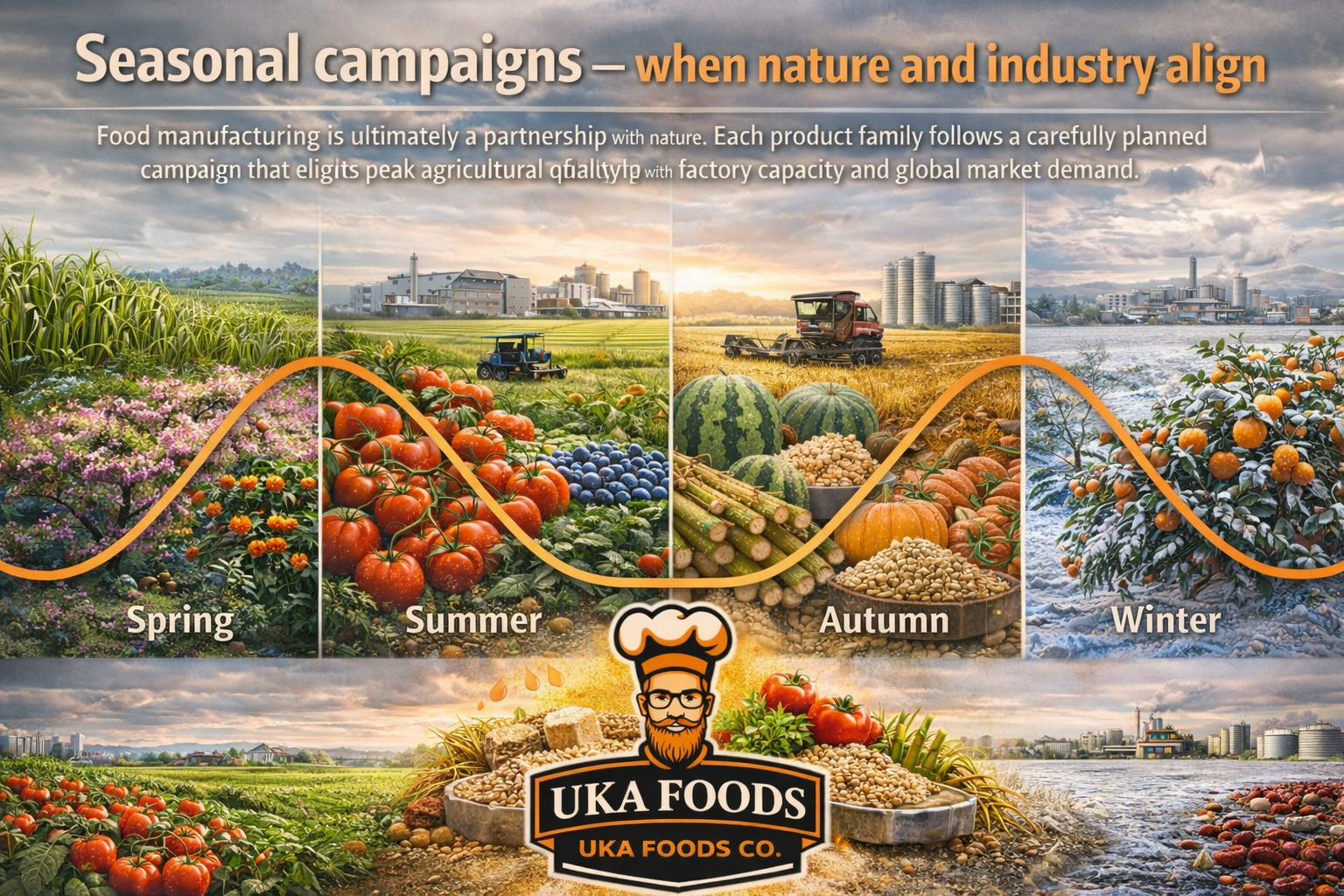
Seasonal campaigns — when nature and industry align

Food manufacturing is ultimately a partnership with nature. Each product family follows a carefully planned seasonal campaign that aligns peak agricultural quality with factory capacity and global market demand.

Seasonal Campaigns

Tomato Campaign

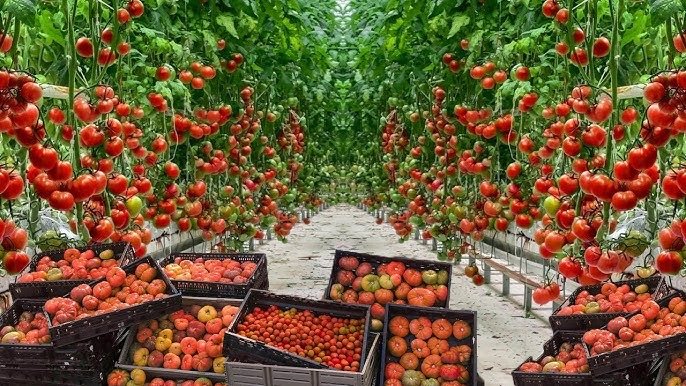
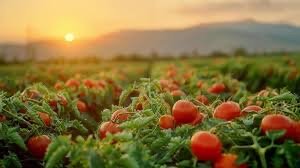
July – October. The heart of our production year. As Egyptian tomatoes reach peak ripeness under the Mediterranean sun, our factories run at maximum capacity — processing fresh tomatoes into rich, deeply colored concentrates, pizza bases, and cooking sauce foundations that will supply global markets for the year ahead.

Sesame Program

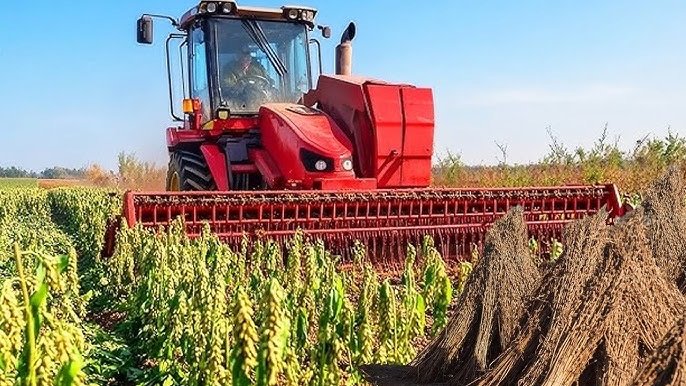
September – December. Premium sesame seeds are harvested, cleaned, and delivered to our specialized processing lines. Each batch is evaluated for oil yield, roasting profile, and sensory characteristics — ensuring our tahini achieves its signature smooth texture and our halawa maintains the delicate sweetness that has defined the product for generations.

Fruit & Beverage

Year-round. Our fruit and beverage programs draw from diverse sourcing windows — tropical fruits, citrus, berries, and specialty botanicals — matched to seasonal availability and retail demand cycles. Continuous blending and quality calibration ensure that every juice, jam, and herbal product delivers consistent flavor regardless of when it was produced.

Sustainable Practices

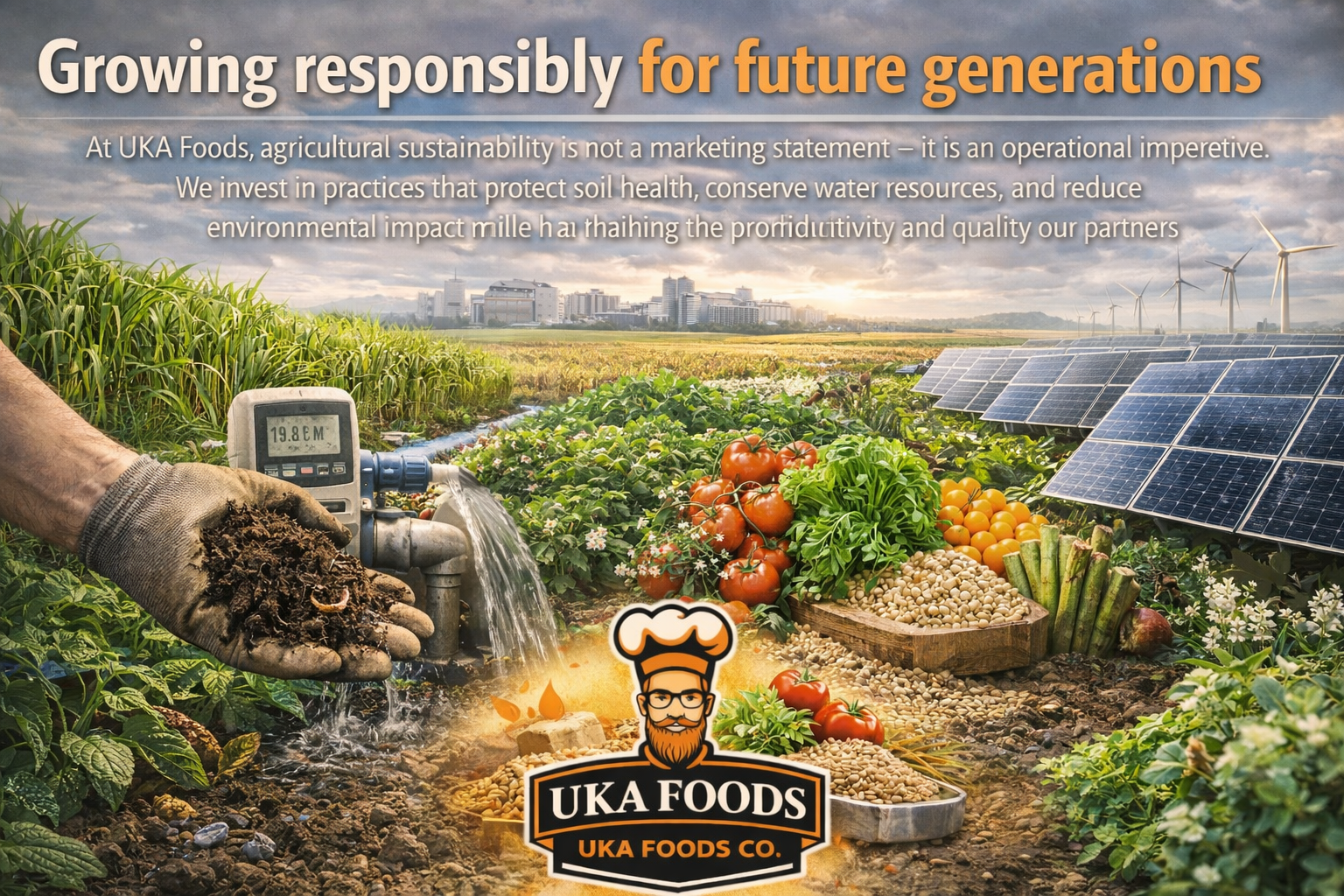
Growing responsibly for future generations

At UKA Foods, agricultural sustainability is not a marketing statement — it is an operational imperative. We invest in practices that protect soil health, conserve water resources, and reduce environmental impact while maintaining the productivity and quality our partners depend on.

Sustainable Practices

Water-Smart Irrigation

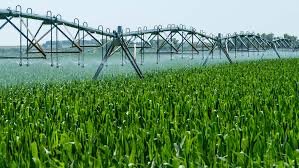
Our contracted growing programs increasingly use drip irrigation and deficit irrigation techniques that deliver water directly to root zones, reducing consumption by up to 40% compared to traditional flood irrigation methods. Soil moisture sensors and weather data guide irrigation scheduling for optimal efficiency.

Soil Health & Crop Rotation

We encourage multi-year crop rotation programs that restore soil nitrogen, reduce pest pressure, and maintain the organic matter content that produces healthier, more flavorful crops. Cover cropping and composting programs further enhance soil vitality across our growing regions.

Sourcing Transparency

Want to understand our raw material sourcing?

We believe in complete transparency. Our quality team provides full traceability documentation, sourcing audit reports, pesticide residue certificates, and raw material origin declarations to import partners and certification auditors worldwide.

Contact Quality Team